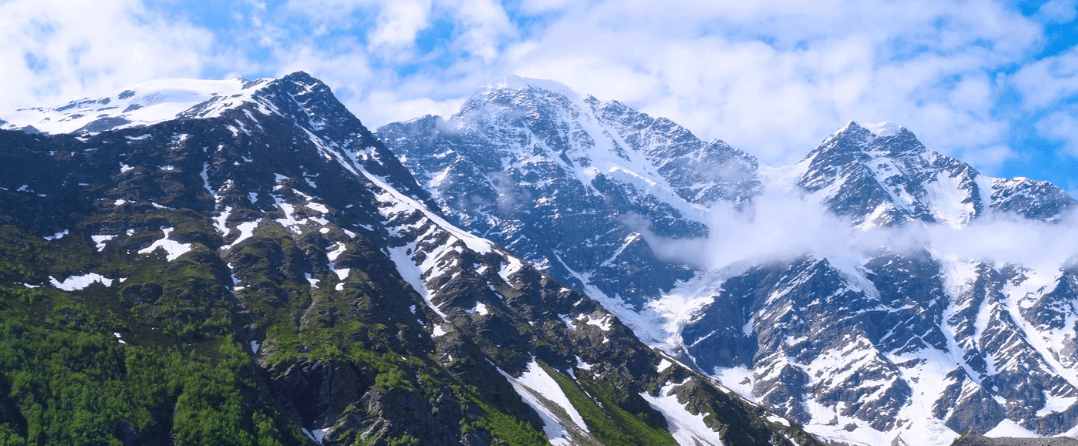
There is a silence in the Indian Himalayas that you cannot find anywhere else on Earth. It is a thick, resonant quiet, broken only by the snap of a prayer flag against the wind or the distant whistle of a Himalayan griffon. When you stand at the top of a 5,000-meter pass in Ladakh or Spiti, looking out over a landscape that resembles the surface of the moon, you realize that India travel is far more than the chaos of the golden triangle. It is a spiritual and physical ascent. (b0arding.com offers a unique discounts on local boutique hotels)
In 2026, the world is looking for "Cool-cations"—escapes from the sweltering heat of traditional summer destinations. For the lonely traveller or the adventure-seeking soul, the Indian Himalayas offer a refuge that is both affordable and awe-inspiring. Whether you call it the Himalayas, the Indian Himlayas, or are searching for a Himalayas guide, this is the moment to go.
1. The Infrastructure Renaissance: Why 2026 is the Year of the High Pass
For decades, the deepest parts of the Himalayas were cut off for six months of the year by snow. But in 2026, the game has changed. The completion of several "all-weather" tunnels—most notably the expansion of the Atal Tunnel network and progress on the Zojila Tunnel—has turned a once-treacherous India trip into a seamless journey.

Remote valleys like Zanskar and Spiti, which once required days of grueling travel over broken roads, are now more accessible to the average visit Himalayas seeker. You can now experience the raw beauty of the high altitude without needing a specialized expedition team. This is a massive leap for Himalayas tourism, making it a top contender in our list of the cheapest places you should travel to in 2026.
2. The Atmospheric Frequency: Finding the Soul of the High Peaks
The "vibe" here isn't something you see; it’s a frequency you tune into. In the Indian Himalayas, life is governed by the seasons and the sun. In places like Dharamshala and Leh, you’ll find a unique blend of Tibetan Buddhism and ancient Hindu traditions. It is an atmosphere of profound resilience and radical hospitality.

Visiting Indian Himalayas feels like stepping into a living mandala. You might find yourself sharing salt-butter tea with a monk in a thousand-year-old monastery one day, and the next, you’re trekking through a cedar forest where the air tastes like ice and pine. It is a India travel experience that prioritizes the "now."
3. The Mountain Kitchen: A Love Letter to Indian Food and Pahadi Flavors
When people think of Indian food, they think of heavy curries and naan. But in the mountains, the diet is built for energy, warmth, and soul. Your Himalayas travel guide to eating is a journey through "Pahadi" (mountain) cuisine:
Momos and Thukpa:

The Tibetan influence is strong. Steamed dumplings filled with spiced vegetables or meat, served with a fiery red chili chutney that will keep your internal heater running.
Siddu:

A local Himachali delicacy—a fermented bread stuffed with poppy seeds or walnut paste, drizzled with melted ghee. It’s the ultimate comfort food for a lonely traveller.
Dham:

A traditional festive meal in Himachal Pradesh, served on leaf plates. It includes slow-cooked lentils, rice, and madra (chickpeas in yogurt), representing the pinnacle of India tourism hospitality.
The Liquid Gold:

You haven't lived until you’ve had Masala Chai at a "Maggi Point" overlooking a 2,000-meter drop. For something stronger, try Chhaang, the local fermented millet beer.
4. Navigating the Thin Air: Transport and the "Non-Negotiable" Insurance
Traveling in the Himalayas requires a different set of rules. The geography is vertical, and the logistics are specific.

- The Road Trip of a Lifetime: The Manali-to-Leh highway is the stuff of legend. In 2026, shared taxis and state-run HRTC buses remain the most budget friendly ways to travel.
- The High-Altitude Caveat: Travel insurance is not an "extra" here; it is a necessity. Standard policies often exclude altitudes above 2,500 or 3,000 meters. When travelling to India for the mountains, ensure your travel insurance specifically covers high-altitude trekking and emergency helicopter evacuation. This is the single most important part of your Himalayas guide.
- Internal Flights: Flights into Leh are spectacular but can be canceled due to weather. Always build "buffer days" into your India trip.
5. Nature’s High-Altitude Altars: Where to Visit in Indian Himalayas
If you are looking for Himalayas tourist places that will stay with you forever, look beyond the main hill stations.
- Nubra Valley (Ladakh): A high-altitude desert where you can ride double-humped Bactrian camels between jagged snow-capped peaks. It’s a surreal landscape that feels like a dream.
- The Valley of Flowers (Uttarakhand): A UNESCO World Heritage site that blooms into a multi-colored carpet of rare alpine flora between July and September.
- Pangong Tso: A lake that sits at 4,225 meters, stretching from India into Tibet. The water changes color from turquoise to deep indigo as the sun moves across the sky. It is a Himalayas highlight that defies photography.
6. Where the Locals Go: Under-the-Radar Mountain Retreats
To find the "real" India travel experience, follow the locals who want to escape the crowds of Manali or Shimla.
- Tirthan Valley:

A hidden gem in Himachal Pradesh. It’s the gateway to the Great Himalayan National Park and is perfect for trout fishing, hiking, and staying in traditional wooden houses.
- Munsiyari:

Located in the Kumaon region, this is the base for the Milam Glacier trek. It offers an unobstructed view of the Panchachuli peaks—the "Five Chimmneys" of the gods.
- Kalpa & Chitkul:

These are the last villages on the old Indo-Tibetan trade route. Chitkul is said to have the cleanest air in India, and the views of the Kinnaur Kailash range are spiritual in their intensity.
7. The Financial Reality: High Altitude, Low Cost
The Indian Himalayas remain one of the most affordable international vacations. While a trip to the Swiss Alps might drain your savings, the Himalayas allow you to live well for very little.
- Stays: You can find beautiful, authentic homestays for $15–$25 a night.
- Food: A massive mountain meal rarely costs more than $5.
- Total Spend: A low budget travel daily allowance of $35–$45 allows you to experience the best of the region.
When you're ready to turn this dream into a reality, the smartest way to secure your India trip is through b0arding.com. Not only will you find the most authentic mountain stays at up to 69% OFF, but you’ll also earn up to $250 back on each booking—essentially funding your gear for the next trek before you even land. Himalayas tourism is not just about the destination; it’s about the journey through the thin air and the realization of how small, yet significant, we truly are.